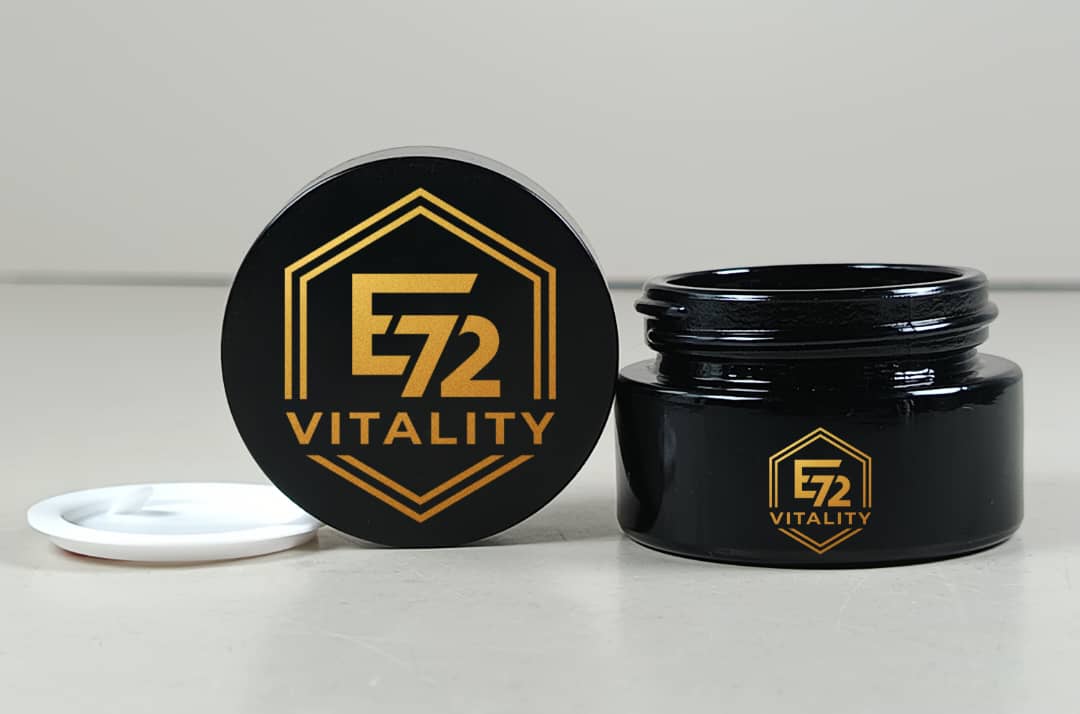
Four ingredients. Nothing hidden. Wild-harvested from the Indian Ocean, batch-tested before every jar ships. Refrigerated — because anything honest has a shelf life.
No payment now. No automated sequences. Direct email when the batch is ready.
Two separate laboratories. Two different purposes. One covers every batch. One validates the source once and permanently.
Every batch that leaves is tested by SGS Kenya before it ships. The QR code on every jar links to that batch's specific microbial results — not a generic certificate from six months ago.
The Eurofins India test happens once, on the first Kibuyuni batch. It confirms species identity, heavy metals, iodine, and microbial baseline at source. That test becomes the permanent credibility anchor for all future batches sourced from Kibuyuni.
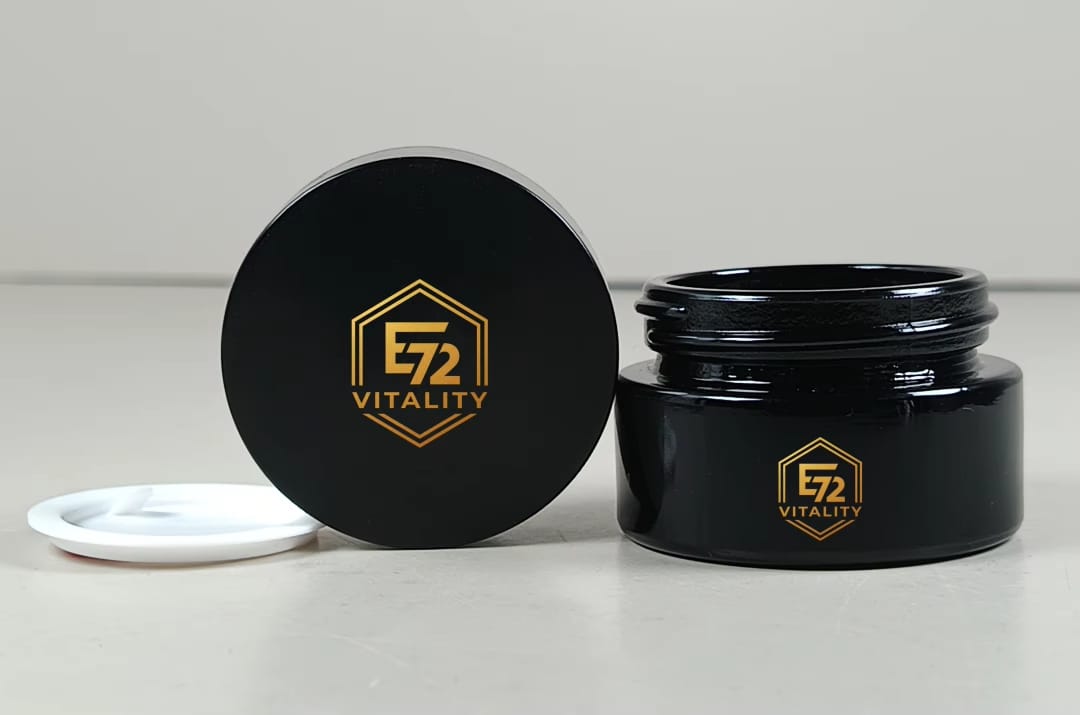
Results linked via QR code on each jar lid. Batch number on label. Open data.
This test validates the farm. Every subsequent batch from Kibuyuni carries this report as its permanent source credential.
Kibuyuni is a coastal farming community at Shimoni, on the southern Kenya coast, Kwale County. The Indian Ocean here grows Eucheuma cottonii — a red algae with the highest carrageenan content of the Eucheuma species.
The Kibuyuni Seaweed Self-Help Group has been farming this coastline since 2010, founded and run by Fatuma Mohammed. The farming model is rope-based cultivation — sea moss attached to ropes suspended in the ocean, harvested in rotation. Not wild-dragged from the seabed. Cultivated with the same plot, the same community, the same accountability to the water they depend on.
Irish sea moss is Chondrus crispus — a cold-water North Atlantic species. What grows at Kibuyuni is Indian Ocean tropical red algae. Different species, different climate, different chemistry. We will never call it Irish sea moss. It is not.
1–2 tablespoons (15–30ml) per serving. Morning is the most common time, but it works any time of day.
Works straight from the jar. Also blends into smoothies, oats, or warm drinks. Keep below 40°C — heat breaks down the carrageenan structure.
Must stay cold. 2–8°C. Use within 45 days of production date on the label. The date is on the lid next to the QR code.
Every jar lid carries a QR code that links to that batch's SGS Kenya microbial report. The data is yours.
Sea moss gel is not a supplement in the powder-and-capsule sense. It is a food — and a dense one. The carrageenan it contains is a natural polysaccharide that supports gut lining integrity. The iodine content supports thyroid function at a level closer to food than supplementation.
The fruit in this gel is not decoration. At 20–30% by weight, it contributes natural sugars, fibre, and enzymes. The pineapple variant retains active bromelain — a proteolytic enzyme that degrades with heat. Cold-press is the only process that keeps it intact.
30–45 days is the honest shelf life. A product that requires refrigeration and has a real expiry is making you a truthful claim: it contains nothing to extend its life beyond what is natural. That is the point.
No payment now. First batch ships when testing clears.